




Resources & Tools



Quick References
Vehicle Clash & Spatial Interference Analysis
Find design conflicts. Eliminate delays. Reduce engineering costs.
High-speed vehicle-wide clash analysis without expensive CAD analysis licences.
Vehicle development involves thousands of components distributed across multiple engineering systems and subsystems. Components designed independently can occupy the same physical space, interfere with adjacent assemblies, or violate required clearances.
Finding these conflicts using conventional CAD software can be computationally expensive, time-consuming, and dependent on specialised software licences.
Our independent vehicle clash-analysis service identifies geometric interference and spatial conflicts across vehicle systems at a fraction of the time and software cost associated with conventional CAD-based analysis.
We help engineering teams identify problems earlier, reduce design-review cycles, and make better-informed engineering decisions.
The best things in engineering should not come with expensive licence costs.
Our service provides an alternative to conventional CAD-based clash and clearance analysis. You do not need to purchase CATIA DMU Space Analysis or Clash Analysis licences to have your vehicle geometry examined.
Rather than making your engineering team dependent on expensive CAD analysis modules, we provide clash-analysis results as an engineering service.
No requirement for CATIA DMU licences.
No requirement to purchase dedicated CAD clash-analysis modules.
Independent analysis across vehicle systems and subsystems.
High-throughput geometric interference detection.
Clear identification of the components involved in each conflict.
Engineering reports that support design resolution.
Your engineering budget can be directed toward solving design problems rather than maintaining additional software licences.
Many times faster than conventional CAD-based clash analysis
Large vehicle assemblies present a substantial computational challenge. Conventional CAD workflows can spend considerable time processing complex assemblies and performing repeated interference checks.
Our approach is engineered specifically for high-volume geometric clash analysis.
By focusing computational effort on geometric interference detection rather than conventional interactive CAD workflows, we aim to process large component populations much more efficiently.
The result: significantly shorter analysis cycles and the ability to examine more vehicle components in less time.
This makes it practical to perform frequent, comprehensive clash checks as vehicle designs evolve.
See the entire vehicle, not just one CAD assembly
Vehicle development is divided into engineering domains, systems, and subsystems. A component that fits perfectly within its own subsystem can still interfere with components belonging to another engineering domain.
Our analysis brings these independently developed systems together in a common geometric analysis environment.
Examples include:
Body structure versus powertrain.
Engine and transmission versus chassis.
Exhaust system versus floor pan and body structure.
Fuel system versus electrical harnesses.
Cooling system versus surrounding components.
Suspension and steering versus wheels and body structure.
Electrical harnesses versus mechanical assemblies.
HVAC ducting versus instrument panel and interior structures.
Battery systems versus body structure and thermal-management components.
Interior trim versus structural and electrical components.
We examine spatial relationships between components regardless of which vehicle system or subsystem they belong to.
What our analysis can identify
1. Geometric clashes and intersections
Identify components whose solid geometry overlaps or occupies the same physical space.
Component-to-component interference detection.
Cross-system and cross-subsystem clash identification.
Multiple-component interference analysis.
Identification of the components involved in each clash.
Location and extent of geometric intersection.
2. Clearance and proximity analysis
Identify components that approach one another too closely, even when they do not physically intersect.
Minimum separation between components.
Configurable clearance thresholds.
Identification of insufficient clearance.
Proximity analysis between selected vehicle systems.
Support for packaging and design reviews.
3. Vehicle-wide analysis
Analyze large collections of components without requiring engineers to manually select individual pairs.
System-to-system analysis.
Subsystem-to-subsystem analysis.
Selected component-group analysis.
Whole-vehicle geometric analysis.
Identification of conflicts between independently developed assemblies.
4. Engineering results and reporting
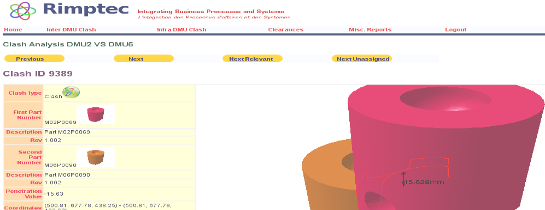
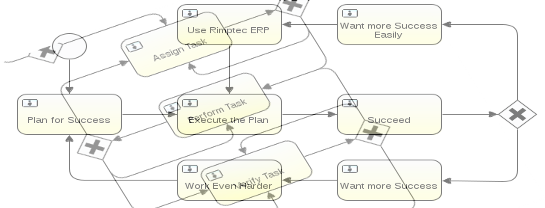
Turn geometric analysis into actionable engineering information. Web based solution which does not eed ny training or CAD licenses with the capability to assigning the issues to a group and monitoring until the issue gets resolved
Identification of the components involved in each clash.
Component and subsystem identification.
Clash locations and geometric information.
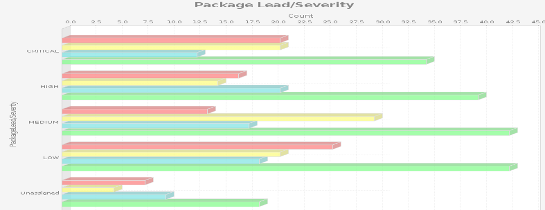
Grouping and filtering of results.
Visual review of interference locations.
Exportable results for engineering investigation and resolution.
Independent of your CAD software licensing strategy
Vehicle manufacturers and engineering suppliers use different CAD platforms and exchange geometry through multiple formats.
Our service is designed to operate independently of the need for specialised CAD analysis licences.
This provides an opportunity to examine vehicle geometry from different engineering sources within a common analysis workflow in a web based interface.
The objective is straightforward: your engineering team should be able to identify geometric conflicts without having to purchase additional CAD analysis licences.
Why use our service?
Conventional CAD analysis |
Our clash-analysis service |
|---|---|
Requires specialised analysis modules in some workflows |
No CAD Clash/Interference analysis licences required |
Analysis performed within conventional CAD workflows |
Dedicated geometric analysis workflow |
Large assemblies can require substantial processing time |
Engineered for high-throughput analysis |
Often tied to individual CAD environments |
Independent vehicle geometry analysis |
Actual performance depends on geometry complexity, component count, input data quality, and analysis requirements. Comparative performance can be demonstrated using representative customer assemblies.
Designed for the realities of vehicle development
Our service is applicable throughout the vehicle development lifecycle.
Concept and packaging
Identify spatial conflicts while vehicle architecture and component locations are still being established.
Detailed design
Check interactions between components developed by different engineering teams.
Design integration
Identify conflicts when independently developed vehicle systems are brought together.
Design changes and releases
Repeat analysis as components and assemblies are revised, helping prevent previously resolved conflicts from reappearing.
Pre-production validation
Perform comprehensive geometric checks before engineering release and manufacturing preparation.
Our engineering engagement process
1. Data Intake
Receive vehicle geometry, assembly structure, component identifiers, and the required analysis criteria.
2. Geometry Preparation
Organize the supplied components into vehicle systems and subsystems and prepare the geometry for analysis.
3. High-Speed Analysis
Perform geometric interference and, where requested, clearance analysis across the selected component populations.
4. Results and Validation
Provide identified conflicts, component information, locations, and supporting geometric results for engineering review.
5. Engineering Hand-off
Deliver the analysis results in an agreed reporting format to support design investigation and corrective action.
Reduce analysis time. Reduce software costs. Find more design problems earlier.
A vehicle contains thousands of components, and every additional design iteration creates opportunities for new geometric conflicts.
Our objective is to make comprehensive clash analysis fast and economical enough to become a routine part of vehicle development rather than an occasional, expensive engineering exercise.
Let us demonstrate the difference using your own vehicle geometry.
Contact us to arrange a comparative clash-analysis evaluation.